Tell us about the job
Takes about a minute. No obligation.
A contractor quoting a water heater installation in Guernsey County starts from what the climate here actually asks of a system. 104 severe weather events were recorded in Guernsey County, Ohio between 2015 and 2024. At that rate, severe weather is a standing feature of life for any equipment installed in this area, and a contractor who ignores that when sizing a unit is leaving the homeowner with hardware built for somewhere quieter. Sediment loads, pressure fluctuations, and thermal stress accumulate faster in conditions like these, which is why the install itself, the specifications chosen, and the materials used all get decided with this county's record in view.
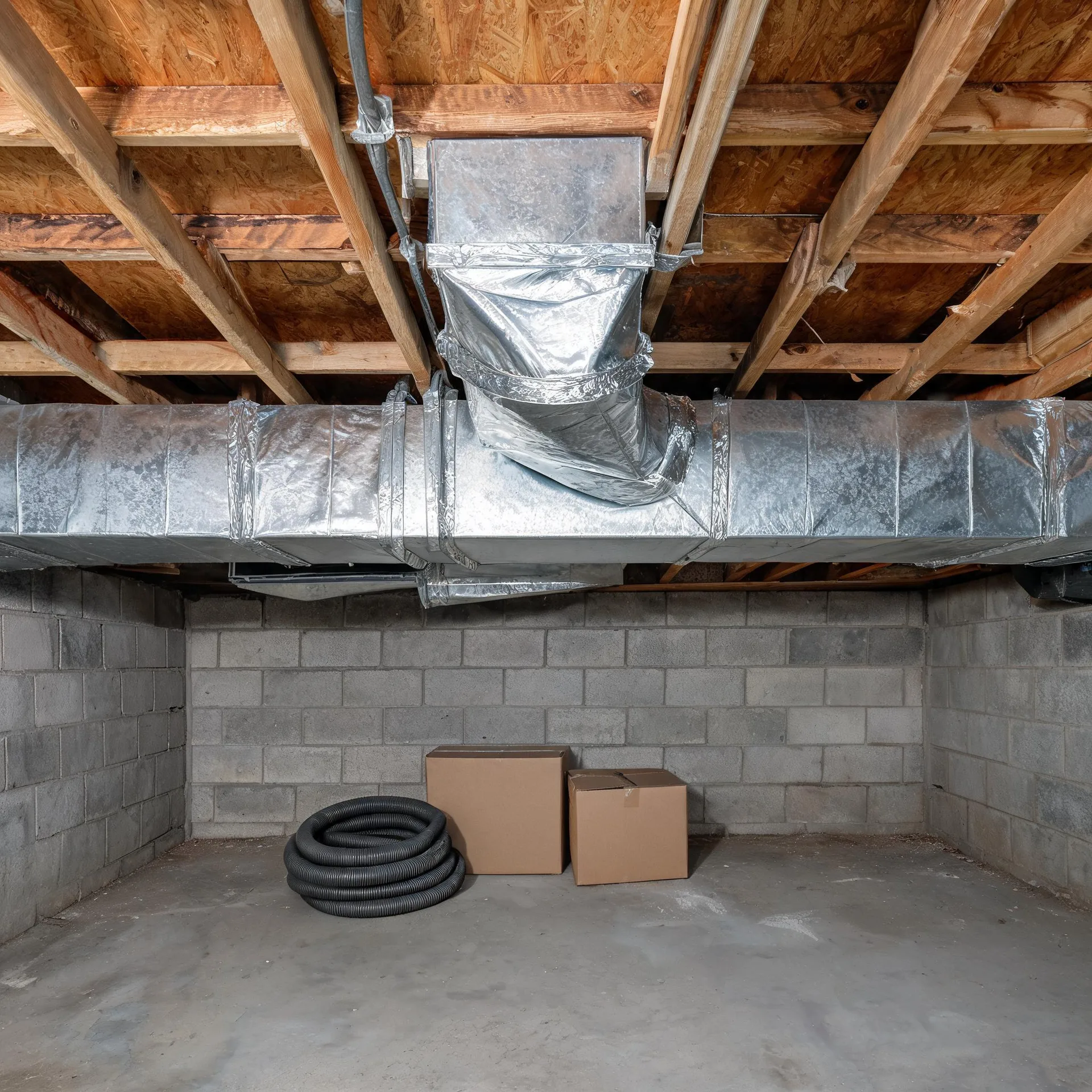
The electrical service running through a house built for the loads of an earlier era was sized to different expectations than what modern water heaters draw. Half the homes in Guernsey County, Ohio were built in 1972 or earlier (2020-2024 ACS 5-year). A contractor installing a new unit in stock like this checks the panel and the circuit before anything else, because an undersized service means the installation scope widens before the equipment question is even settled. The water heater is often the smaller decision.
The Parts of a Water Heater a Contractor Addresses for Installation
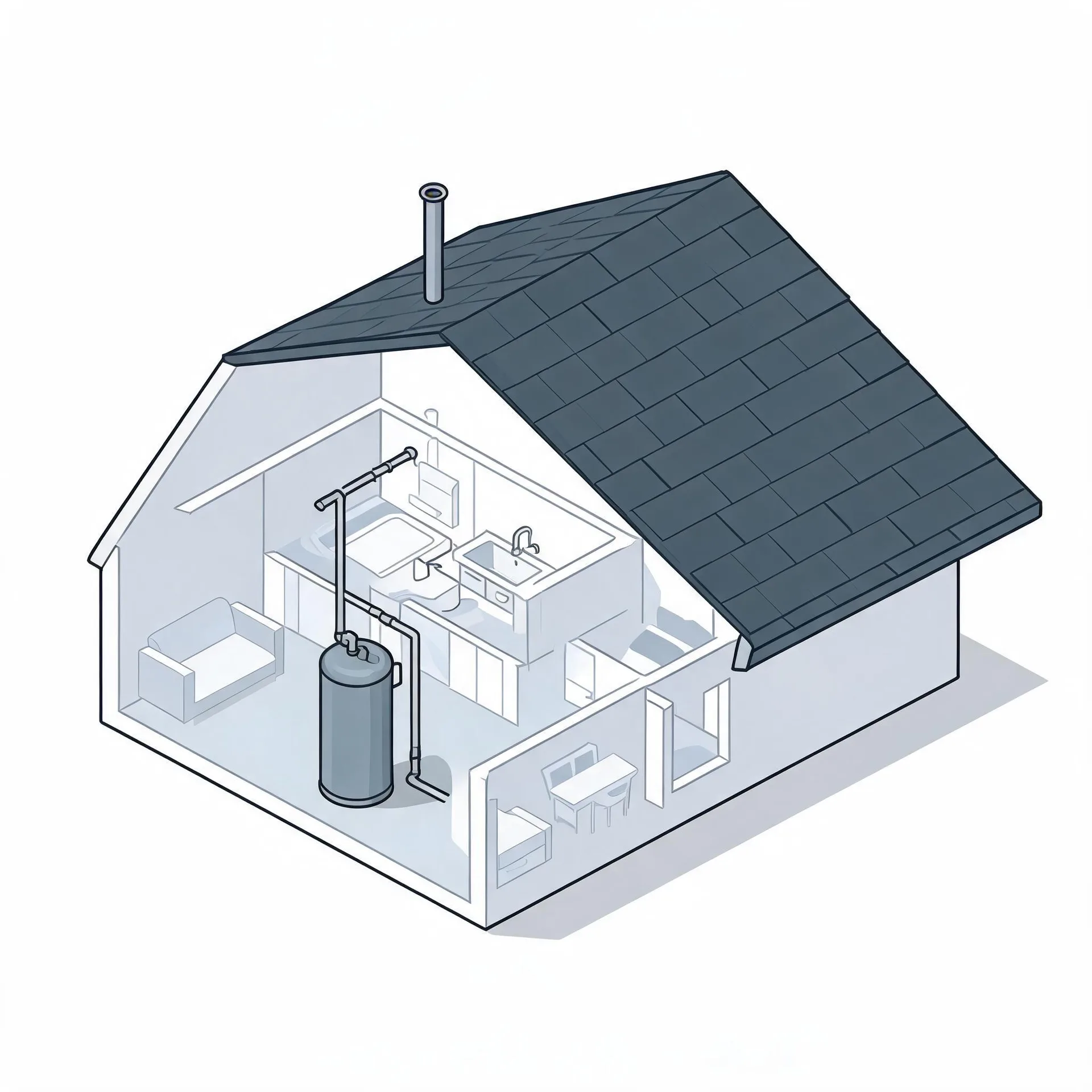
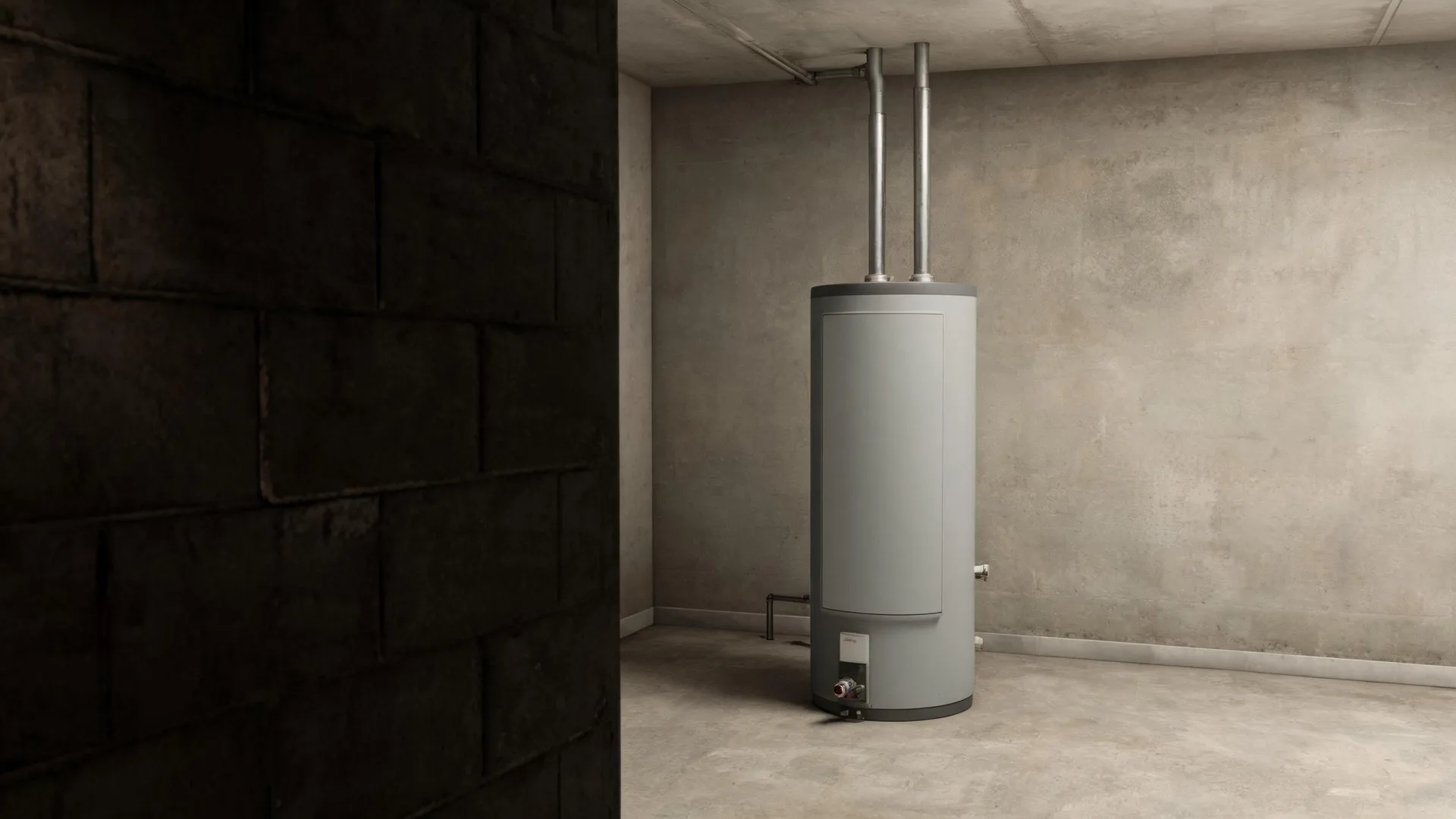
The tank is the piece a homeowner notices first. It sits in a utility closet, basement, or garage and holds the supply of water a household draws from. Attached to the tank are the cold water inlet and hot water outlet, which connect the unit to the home's plumbing.
The pressure relief valve mounts directly on the tank and releases pressure if it climbs too high. The anode rod hangs inside the tank and slows corrosion of the metal lining. The drain valve sits near the base, and the flue or exhaust vent runs from the top of the unit to the outside of the house.
The drawing shows a general layout of these components, and a licensed contractor determines which apply to your specific home and setup.
Find a contractor in Guernsey CountyGuernsey County, by the numbers
104 severe weather events were recorded in Guernsey County, Ohio between 2015 and 2024.
NOAA National Centers for Environmental Information, Storm Events Database, bulk CSV export, events 2015-01-01 through 2024-12-31.Half the homes in Guernsey County, Ohio were built in 1972 or earlier (2020-2024 ACS 5-year).
U.S. Census Bureau, 2020-2024 American Community Survey 5-Year EstimatesGuernsey County, Ohio holds 19,037 housing units (2020-2024 ACS 5-year).
U.S. Census Bureau, 2020-2024 American Community Survey 5-Year EstimatesOwners occupy 72.1% of the occupied homes in Guernsey County, Ohio (2020-2024 ACS 5-year).
U.S. Census Bureau, 2020-2024 American Community Survey 5-Year EstimatesSevere Weather Events in Guernsey County
Water heaters work harder when outdoor conditions swing hard, and what passes for a normal year in Guernsey County shapes how much strain a unit carries over its life. That wear is local, and so is the decision about what equipment to put in and how to size it.
104 severe weather events, 2015–2024. Source: NOAA National Centers for Environmental Information, Storm Events Database.