Tell us about the job
Takes about a minute. No obligation.
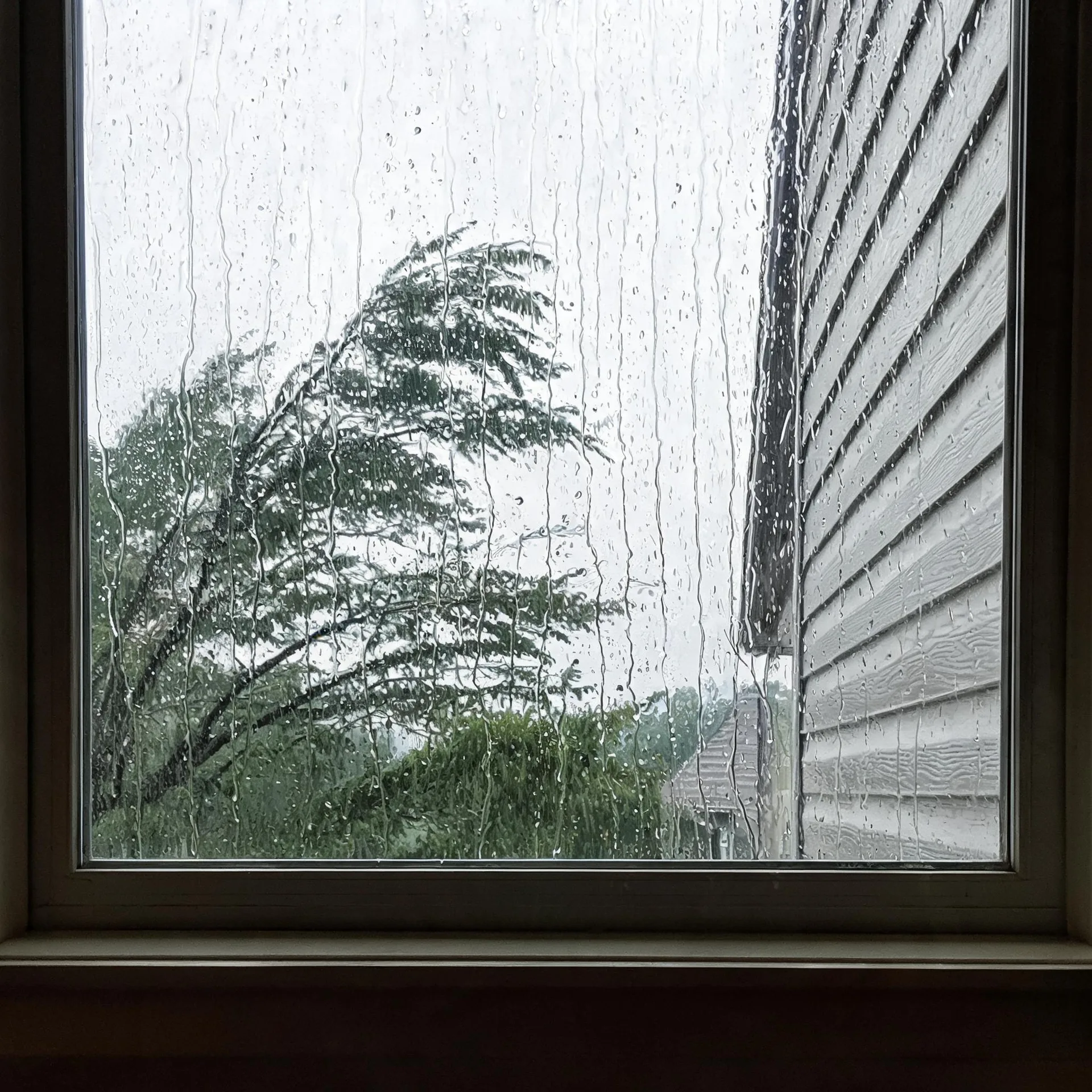
Sizing a water heater in Geauga County means accounting for what the equipment will actually run against, not just what a catalog spec sheet assumes. 142 severe weather events were recorded in Geauga County, Ohio between 2015 and 2024. At that rate, severe weather is part of the normal operating environment, and a contractor who ignores it when selecting a unit and planning the installation is pricing for a place that does not exist. The capacity, the protection at the connections, and the installation method all get decided around local conditions here.
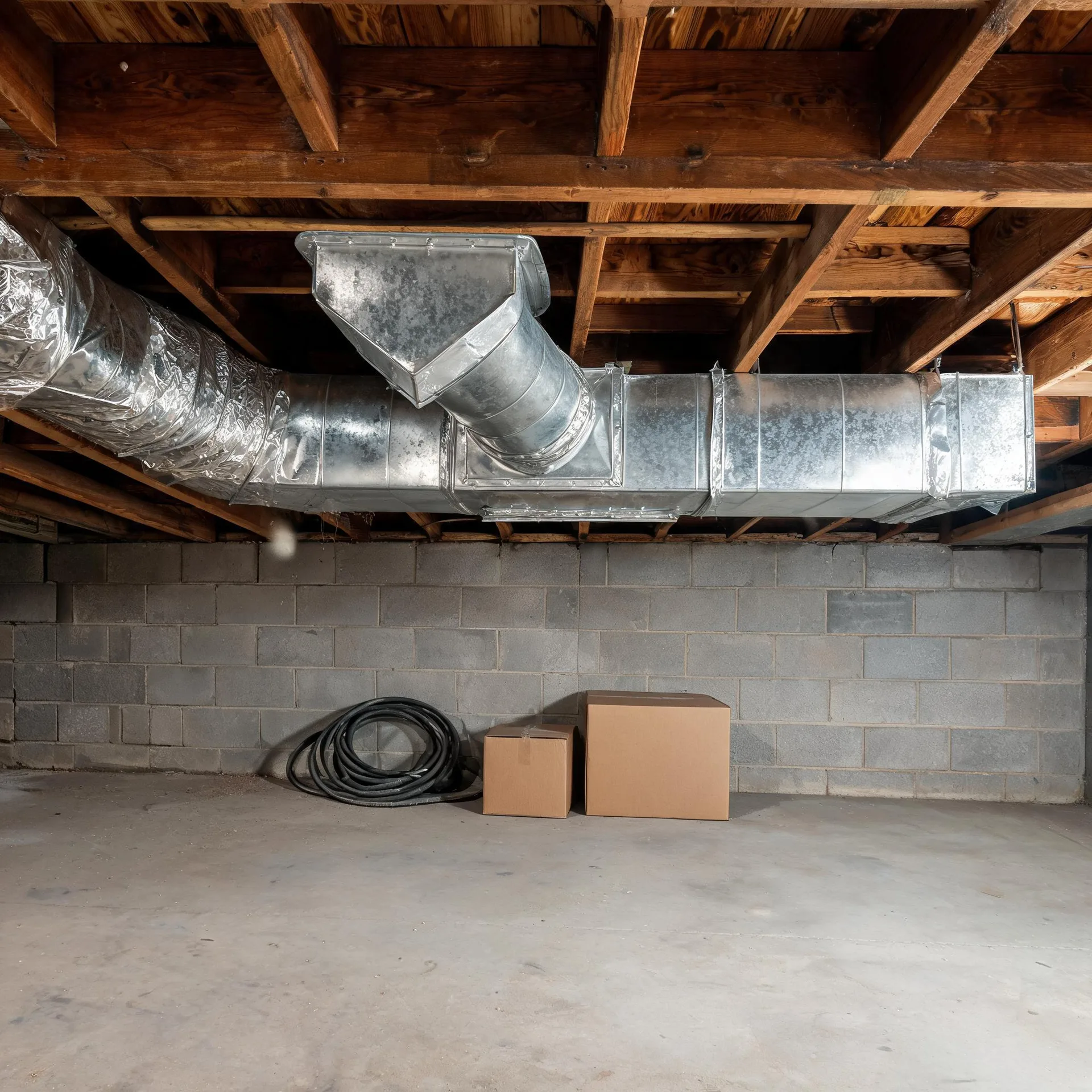
Ductwork laid down for one generation of water heating equipment does not automatically suit what a contractor installs today. Half the homes in Geauga County, Ohio were built in 1977 or earlier (2020-2024 ACS 5-year). That gap between when the house was built and when its current equipment arrived means the existing configuration often carries assumptions a new unit was not built around. A contractor working in this county checks what the structure already holds before anything else on the job is priced.
The Parts of a Water Heater a Contractor Sizes for Installation
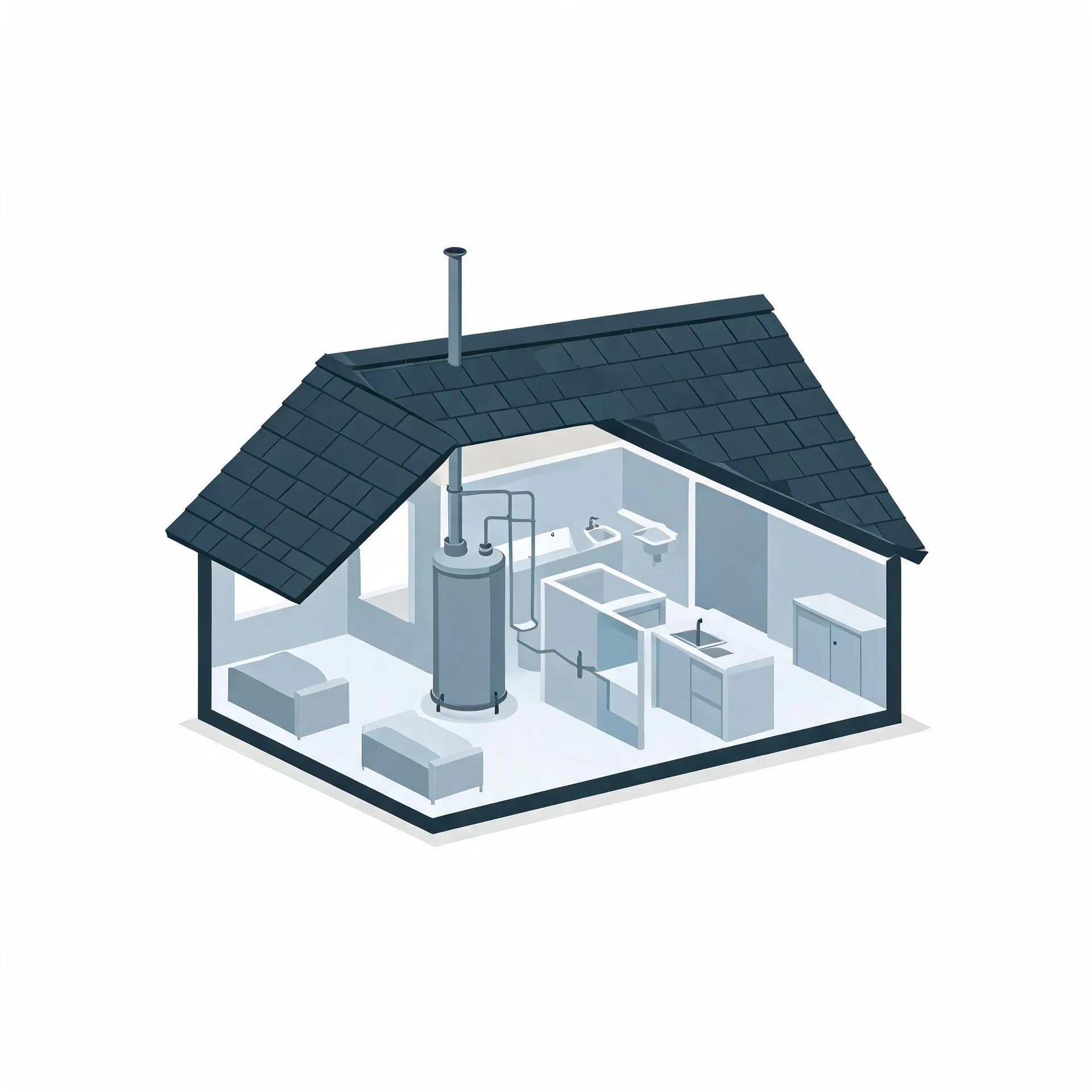
The tank itself sits in a utility space, basement, or closet and holds the water that gets heated and drawn to every fixture in the house. Attached to the tank are the inlet and outlet connections, which bring cold water in at the bottom and send hot water out at the top.
The pressure relief valve mounts on the side of the tank and opens automatically if pressure or temperature climbs too high. The drain valve sits near the base, the anode rod runs down through the tank interior to slow corrosion, and the thermostat controls the heating element or burner assembly that does the actual heating.
The drawing shows a general layout of these components, and a licensed contractor determines exactly what applies to your home and how each piece will be configured.
Find a contractor in Geauga CountyGeauga County, by the numbers
142 severe weather events were recorded in Geauga County, Ohio between 2015 and 2024.
NOAA National Centers for Environmental Information, Storm Events Database, bulk CSV export, events 2015-01-01 through 2024-12-31.Half the homes in Geauga County, Ohio were built in 1977 or earlier (2020-2024 ACS 5-year).
U.S. Census Bureau, 2020-2024 American Community Survey 5-Year EstimatesGeauga County, Ohio holds 37,716 housing units (2020-2024 ACS 5-year).
U.S. Census Bureau, 2020-2024 American Community Survey 5-Year EstimatesOwners occupy 87.2% of the occupied homes in Geauga County, Ohio (2020-2024 ACS 5-year).
U.S. Census Bureau, 2020-2024 American Community Survey 5-Year EstimatesSevere Weather Events in Geauga County
Geauga County weather puts real demands on water heaters, driving recovery loads and accelerating wear tied directly to how hard the system has worked over time. What a contractor sizes and installs here reflects local conditions, not a generic spec.
142 severe weather events, 2015–2024. Source: NOAA National Centers for Environmental Information, Storm Events Database.