Tell us about the job
Takes about a minute. No obligation.
A contractor quoting a water heater installation in Union County has to settle one question before sizing or pricing anything: what actually wore the last unit out. 68 severe weather events were recorded in Union County, Ohio between 2015 and 2024. At that rate, severe weather is an occasional fact of life here, not a standing pressure on every system in the county. Age, sediment buildup, and the original installation quality are what drive water heaters to failure in this area. A contractor who assumes storm load as a default explanation is reaching past the likelier causes.
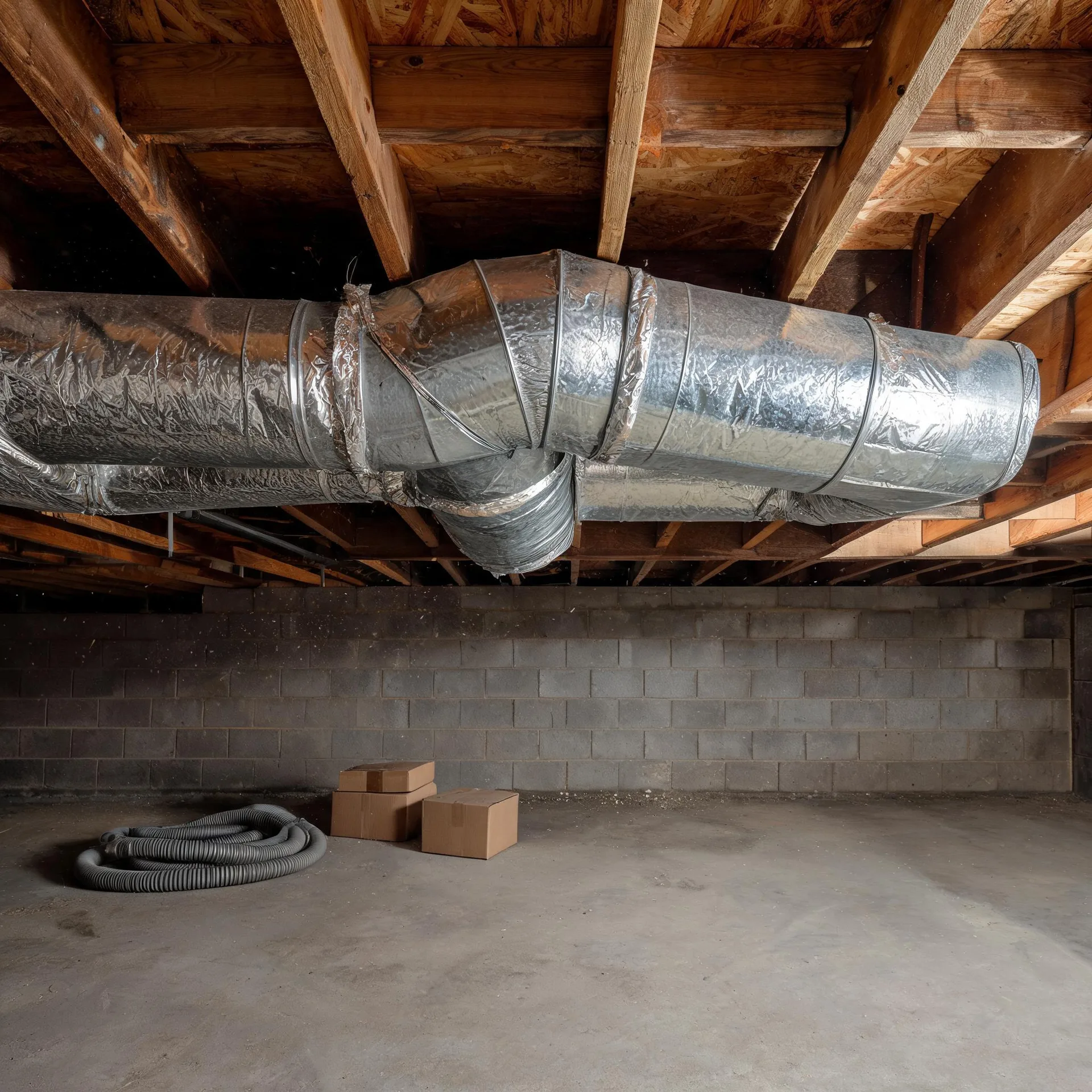
The electrical service already in a Union County house sets the pace for a water heater installation. Half the homes in Union County, Ohio were built in 1996 or earlier (2020-2024 ACS 5-year). Wiring sized for the load expectations of that era gets measured against what a new unit actually draws, and if the panel does not have the headroom, the upgrade comes before the water heater does. A contractor quotes both possibilities up front because the house decides which one applies.
The Parts of a Water Heater a Contractor Installs
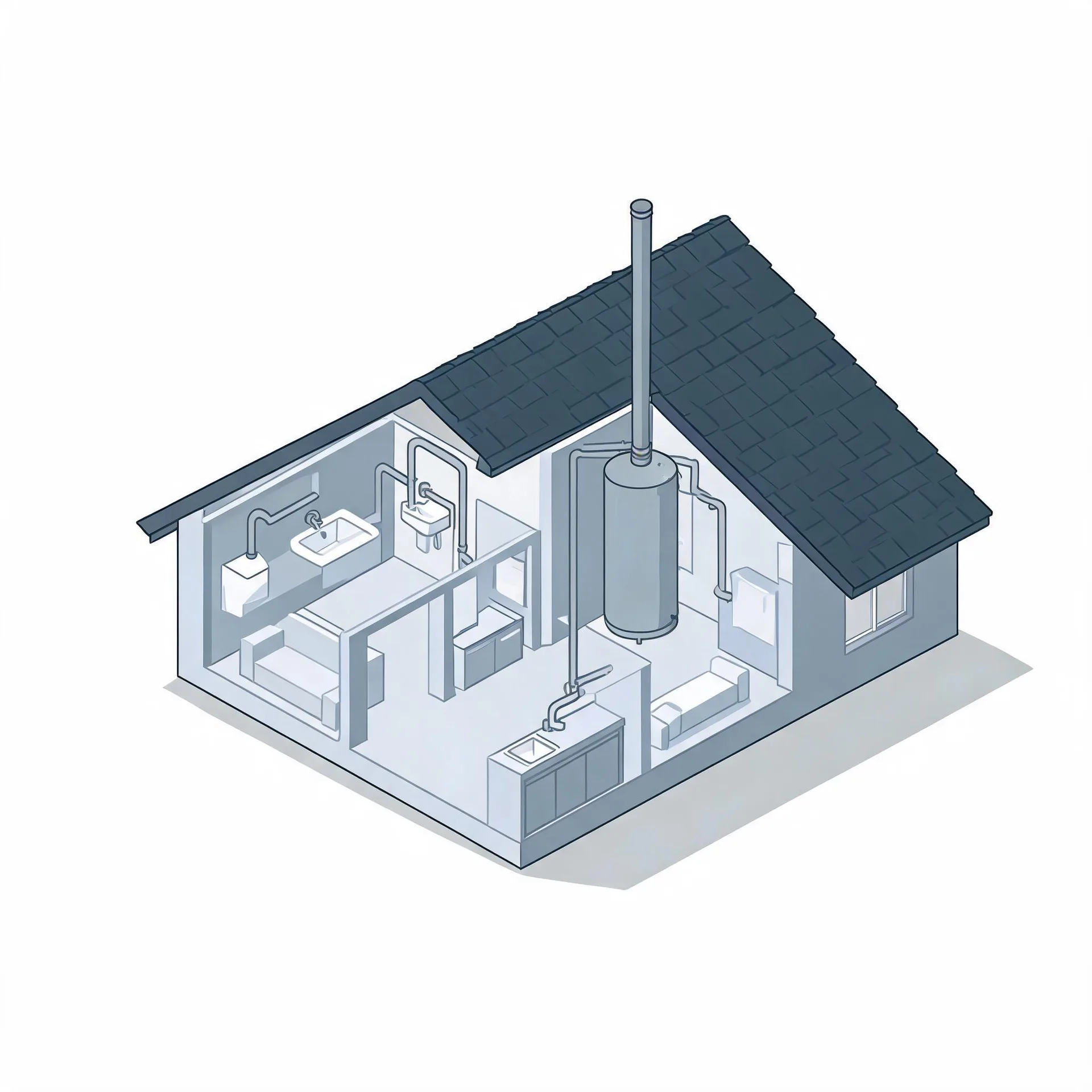
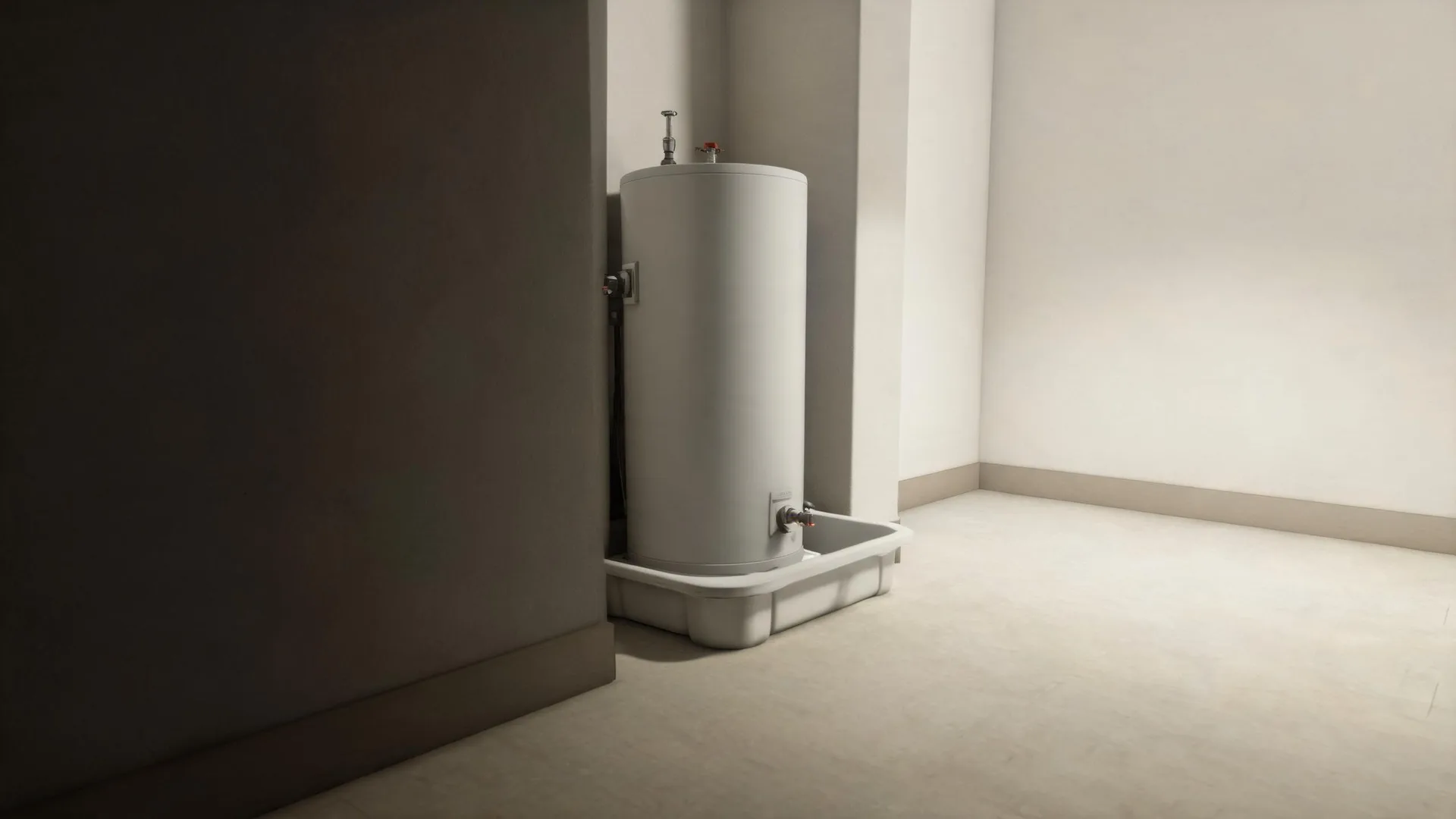
The tank is what most homeowners picture first. It sits in a utility room, basement, or garage and holds a supply of water that a burner or heating element keeps at a set temperature. On a tankless unit, a compact heat exchanger mounted to the wall takes the tank's place, heating water only as it moves through.
A pressure relief valve mounts directly on the tank and opens if pressure inside climbs too high. The cold-water inlet line and the hot-water outlet line connect at the top of the unit, while a drain valve at the base lets a contractor flush sediment or empty the tank for service.
The drawing shows a general layout of these components, and a licensed contractor determines exactly what the installation involves in your home.
Find a contractor in Union CountyUnion County, Ohio, by the numbers
68 severe weather events were recorded in Union County, Ohio between 2015 and 2024.
NOAA National Centers for Environmental Information, Storm Events Database, bulk CSV export, events 2015-01-01 through 2024-12-31.Half the homes in Union County, Ohio were built in 1996 or earlier (2020-2024 ACS 5-year).
U.S. Census Bureau, 2020-2024 American Community Survey 5-Year EstimatesUnion County, Ohio holds 25,158 housing units (2020-2024 ACS 5-year).
U.S. Census Bureau, 2020-2024 American Community Survey 5-Year EstimatesOwners occupy 79.2% of the occupied homes in Union County, Ohio (2020-2024 ACS 5-year).
U.S. Census Bureau, 2020-2024 American Community Survey 5-Year EstimatesSevere Weather Events in Union County
Extreme weather puts direct stress on water heating equipment, shortening service life and pushing systems past their rated limits. How much of that stress a unit absorbs depends on where it sits, which makes local weather history a relevant starting point for any installation decision in Union County.
68 severe weather events, 2015–2024. Source: NOAA National Centers for Environmental Information, Storm Events Database.