
Tell us about the job
Takes about a minute. No obligation.
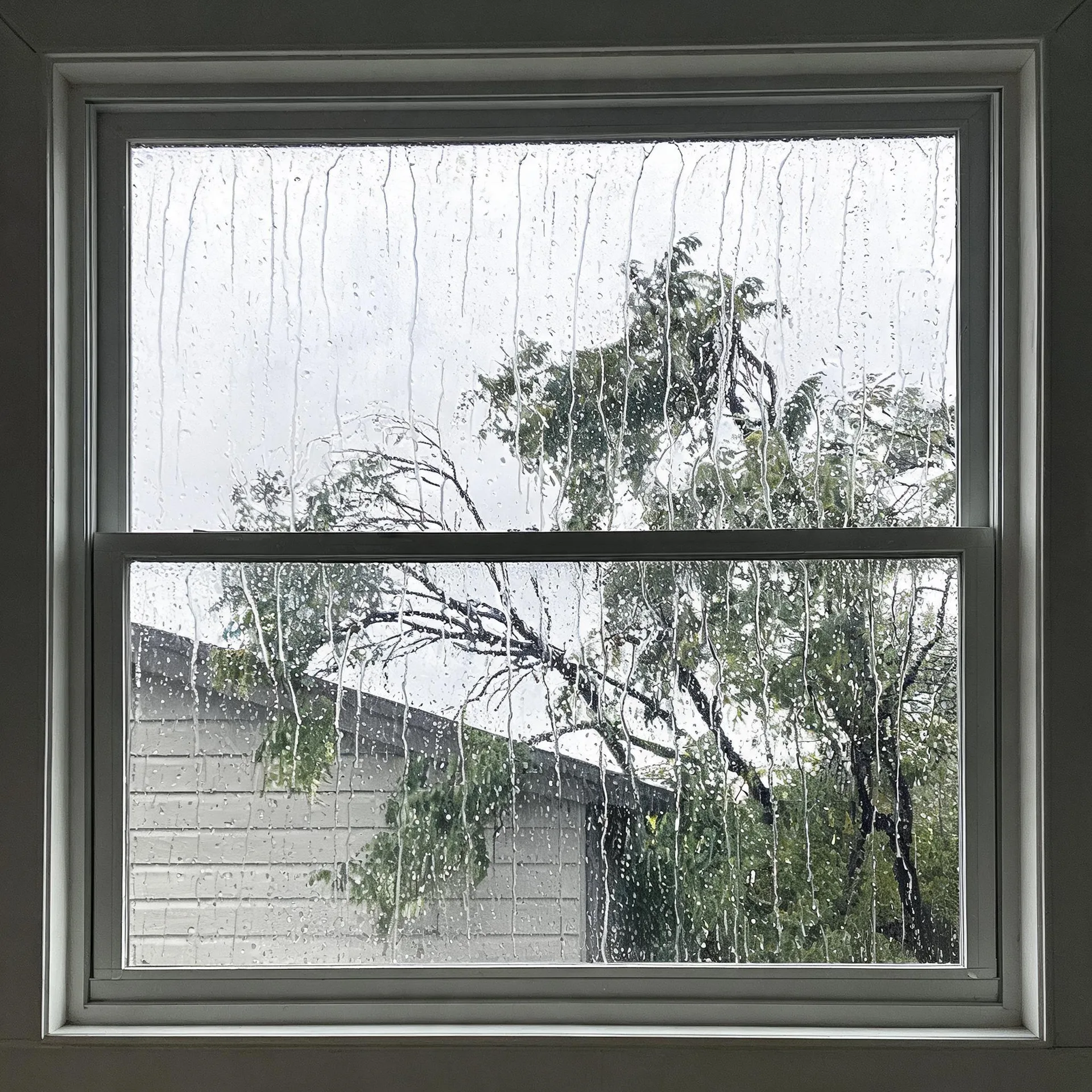
A water heater going into a Miami County home is going into a place where severe weather is a standing feature, and a contractor who ignores that when sizing the unit or choosing where to set it is skipping a local variable that matters. 113 severe weather events were recorded in Miami County, Ohio between 2015 and 2024. At that rate, the stress on plumbing connections, pressure relief components, and the unit's housing is real and cumulative. A contractor quoting an install here factors in placement, anchoring, and connection quality in ways that a straightforward catalog spec does not cover.
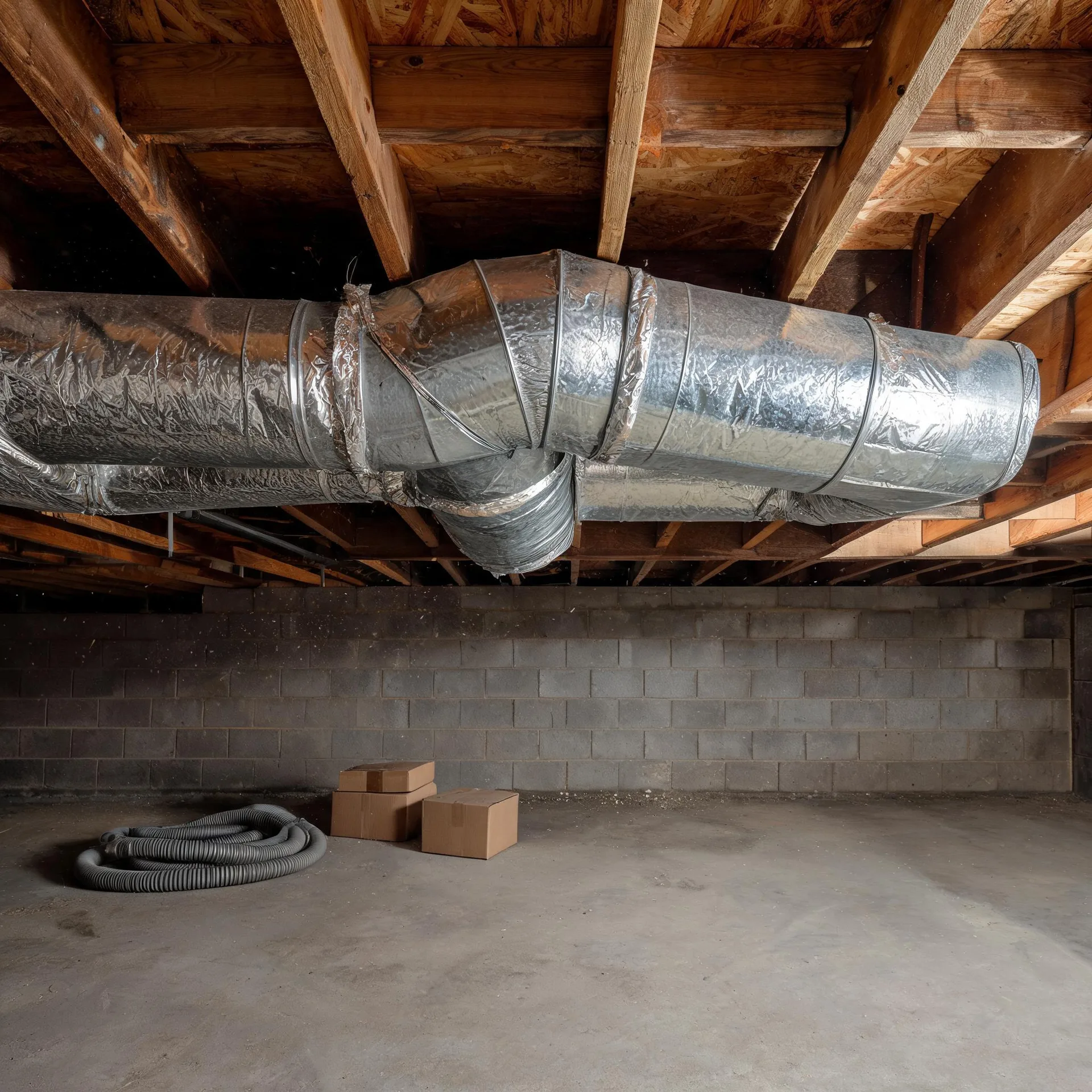
Older electrical panels are what slow down a water heater installation in Miami County more than any other single variable. Half the homes in Miami County, Ohio were built in 1971 or earlier (2020-2024 ACS 5-year). Houses of that vintage were wired for loads that bore no relation to what a modern water heater draws, and a contractor sizing the new unit has to open the panel and see what is actually there before the quote means anything. The ductwork question belongs to other jobs; here, it is the service capacity that either clears the way or adds a panel upgrade to the scope.
The Parts of a Water Heater an Installation Covers
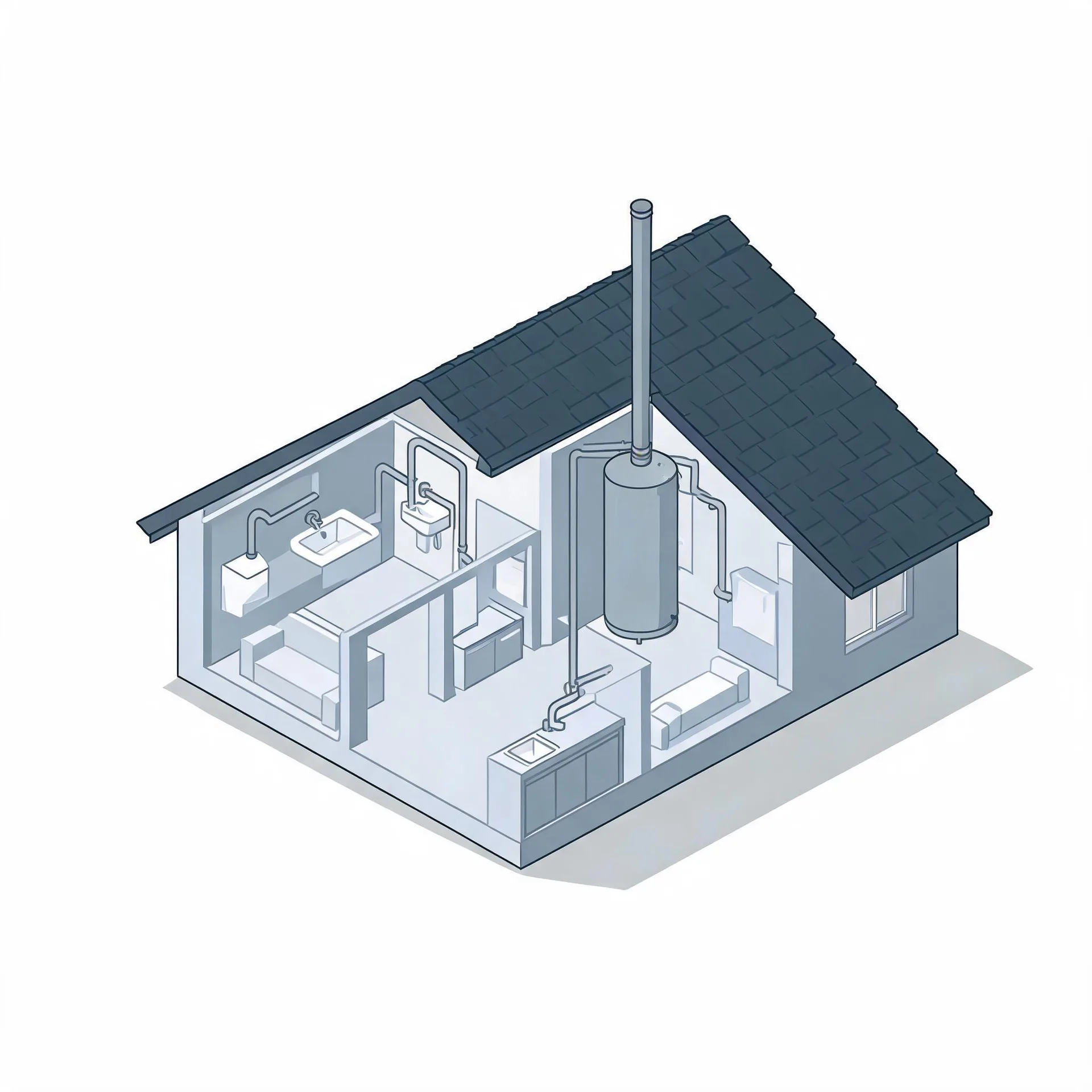
The tank is the piece a homeowner sees first, a tall insulated cylinder that sits in a utility room, basement, or garage and holds the water until a tap calls for it. Attached to the tank is the burner assembly or heating element, depending on the fuel source, which is what actually raises the water temperature.
A pressure relief valve mounts directly on the tank and releases if pressure inside climbs too high. The cold-water inlet and hot-water outlet connections sit at the top of the tank, and the drain valve at the base lets a contractor flush sediment or fully empty the unit when needed.
The drawing shows a typical layout, and a licensed contractor determines which components and configurations apply to your specific home.
Find a contractor in Miami CountyMiami County, Ohio, by the numbers
113 severe weather events were recorded in Miami County, Ohio between 2015 and 2024.
NOAA National Centers for Environmental Information, Storm Events Database, bulk CSV export, events 2015-01-01 through 2024-12-31.Half the homes in Miami County, Ohio were built in 1971 or earlier (2020-2024 ACS 5-year).
U.S. Census Bureau, 2020-2024 American Community Survey 5-Year EstimatesMiami County, Ohio holds 47,226 housing units (2020-2024 ACS 5-year).
U.S. Census Bureau, 2020-2024 American Community Survey 5-Year EstimatesOwners occupy 73.4% of the occupied homes in Miami County, Ohio (2020-2024 ACS 5-year).
U.S. Census Bureau, 2020-2024 American Community Survey 5-Year EstimatesSevere Weather Events in Miami County
Extreme weather puts real demand on water heaters, cycling them harder and shortening equipment life when conditions push a home's systems to their limits. Miami County's weather record is part of what shapes how contractors size and install equipment here.
113 severe weather events, 2015–2024. Source: NOAA National Centers for Environmental Information, Storm Events Database.