Tell us about the job
Takes about a minute. No obligation.
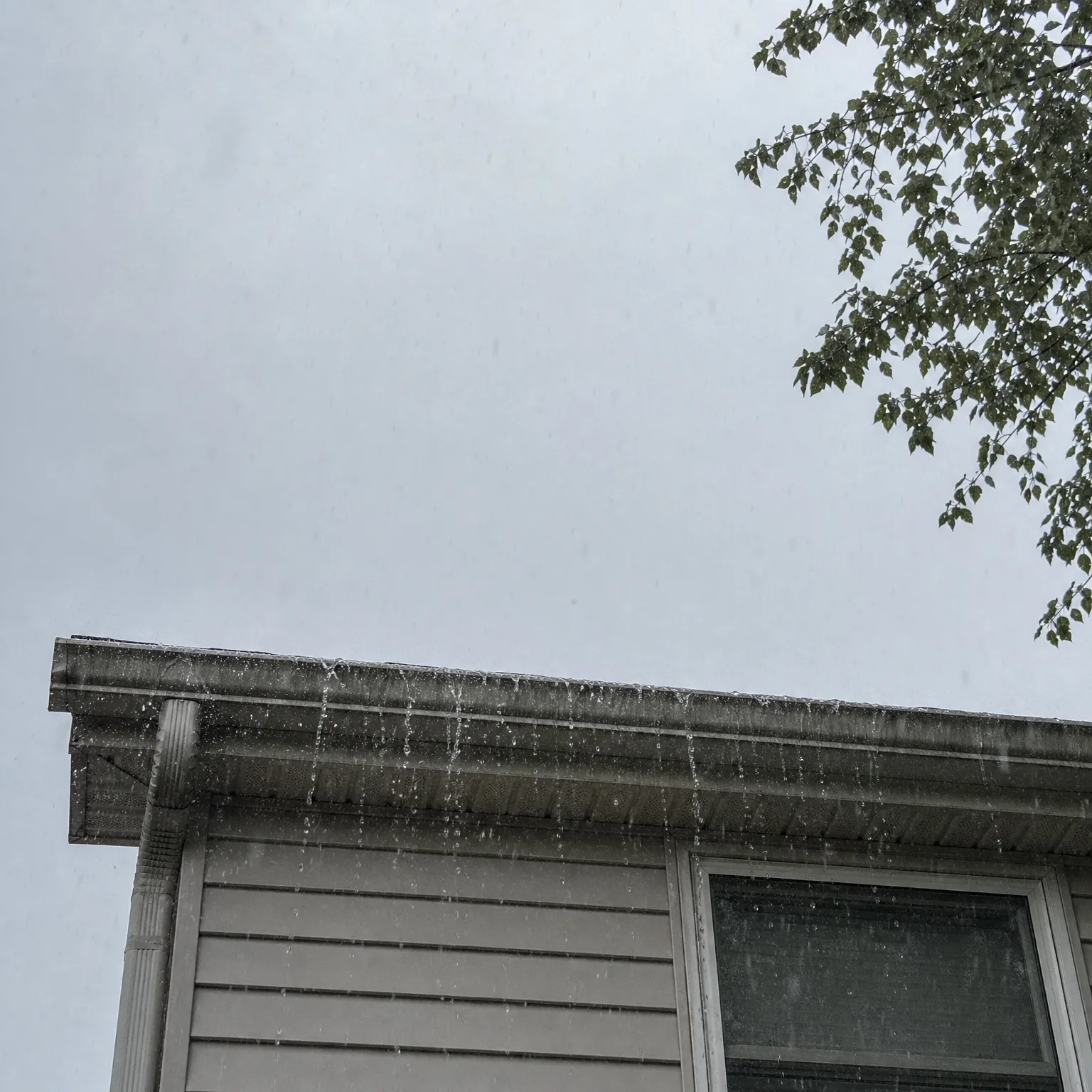
Severe weather in Ashtabula County is frequent enough to be part of what every water heater here has been running against, and a contractor walking into a repair call accounts for that before anything else. 115 severe weather events were recorded in Ashtabula County, Ohio between 2015 and 2024. A unit that has cycled hard through repeated weather events can show sediment buildup, pressure relief valve fatigue, and anode rod deterioration that would not appear on the same schedule in a quieter area. The contractor's first job is to separate wear driven by that cumulative load from a straightforward component failure, because the repair scope and the parts required differ depending on which it is.
Water heaters in houses this old are often running on borrowed time for parts. Half the homes in Ashtabula County, Ohio were built in 1962 or earlier (2020-2024 ACS 5-year). A contractor who opens a unit in stock like this may find that the manufacturer has discontinued the component, that a compatible replacement requires adaptation work, or that the model itself falls outside what distributors carry. That parts availability question shapes the repair estimate before labor or anything else does.
The Parts of a Water Heater a Contractor Checks First
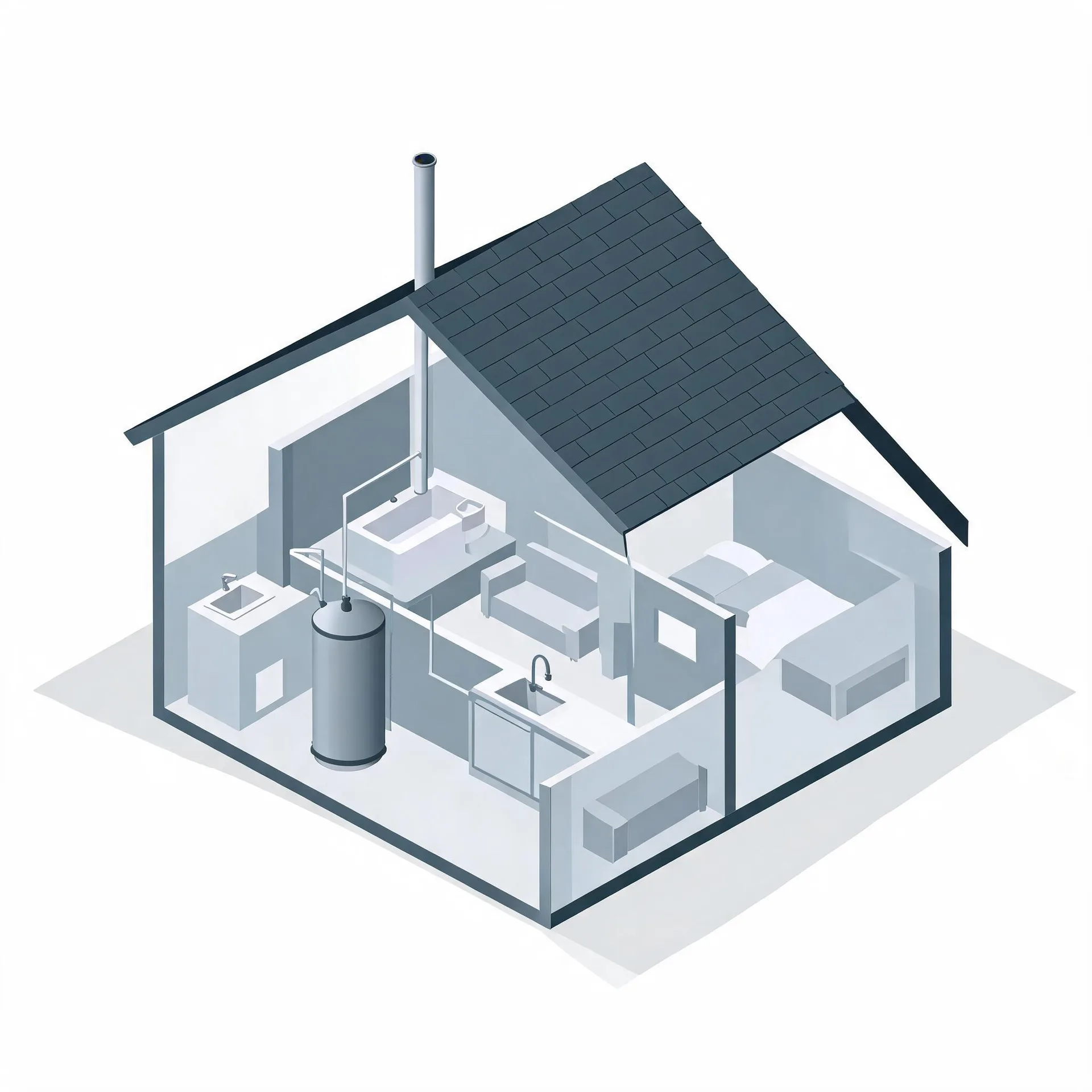
The tank is what most homeowners see: a tall insulated cylinder that sits in a utility room, basement, or closet and holds a standing supply of hot water. The burner or heating element at its base or core is where heat is actually produced, and that assembly is one of the first places a contractor looks when output drops or stops.
The thermostat controls when the burner fires and at what temperature, and a faulty one can read conditions wrong and leave you with water that runs cold or scalding. Sitting at the top and bottom of the tank, the inlet and outlet connections, the pressure relief valve, and the anode rod each play a role a contractor will examine before tracing a problem any further.
The drawing shows a general layout of these parts, and a licensed contractor determines what applies to the specific unit and installation in your home.
Find a contractor in Ashtabula CountyAshtabula County, by the record
115 severe weather events were recorded in Ashtabula County, Ohio between 2015 and 2024.
NOAA National Centers for Environmental Information, Storm Events Database, bulk CSV export, events 2015-01-01 through 2024-12-31.Half the homes in Ashtabula County, Ohio were built in 1962 or earlier (2020-2024 ACS 5-year).
U.S. Census Bureau, 2020-2024 American Community Survey 5-Year EstimatesAshtabula County, Ohio holds 46,477 housing units (2020-2024 ACS 5-year).
U.S. Census Bureau, 2020-2024 American Community Survey 5-Year EstimatesOwners occupy 75.7% of the occupied homes in Ashtabula County, Ohio (2020-2024 ACS 5-year).
U.S. Census Bureau, 2020-2024 American Community Survey 5-Year EstimatesSevere Weather Events in Ashtabula County
Extreme weather puts water heaters under strain, driving up the demand for repairs and replacements across the county. How often that pressure hits is a local fact, and it shapes what contractors in Ashtabula County deal with year to year.
115 severe weather events, 2015–2024. Source: NOAA National Centers for Environmental Information, Storm Events Database.