Tell us about the job
Takes about a minute. No obligation.
A water heater repair in Columbiana County starts with a question a contractor has to answer before touching any part: how much of what they find traces back to cumulative weather load, and how much traces back to the system simply getting old. 157 severe weather events were recorded in Columbiana County, Ohio between 2015 and 2024. At that rate, severe weather is a standing condition here, not an occasional one, and it shows up in pressure-relief components, in sediment driven by supply disruptions, and in fittings that have worked hard. A contractor who skips that assessment risks replacing the wrong part.
Pipes soldered decades ago, electrical connections added in stages, and shutoff valves that have never been exercised are what a contractor finds once the access panel comes off in a house like this. Half the homes in Columbiana County, Ohio were built in 1964 or earlier (2020-2024 ACS 5-year). That history shows up in water heater repairs as corroded supply lines, undersized wiring to the unit, or a pressure relief valve that has seized and cannot be tested safely. The equipment itself may be the reason for the call, but what determines the scope of the repair is what surrounds it.
The Parts of a Water Heater a Contractor Checks First
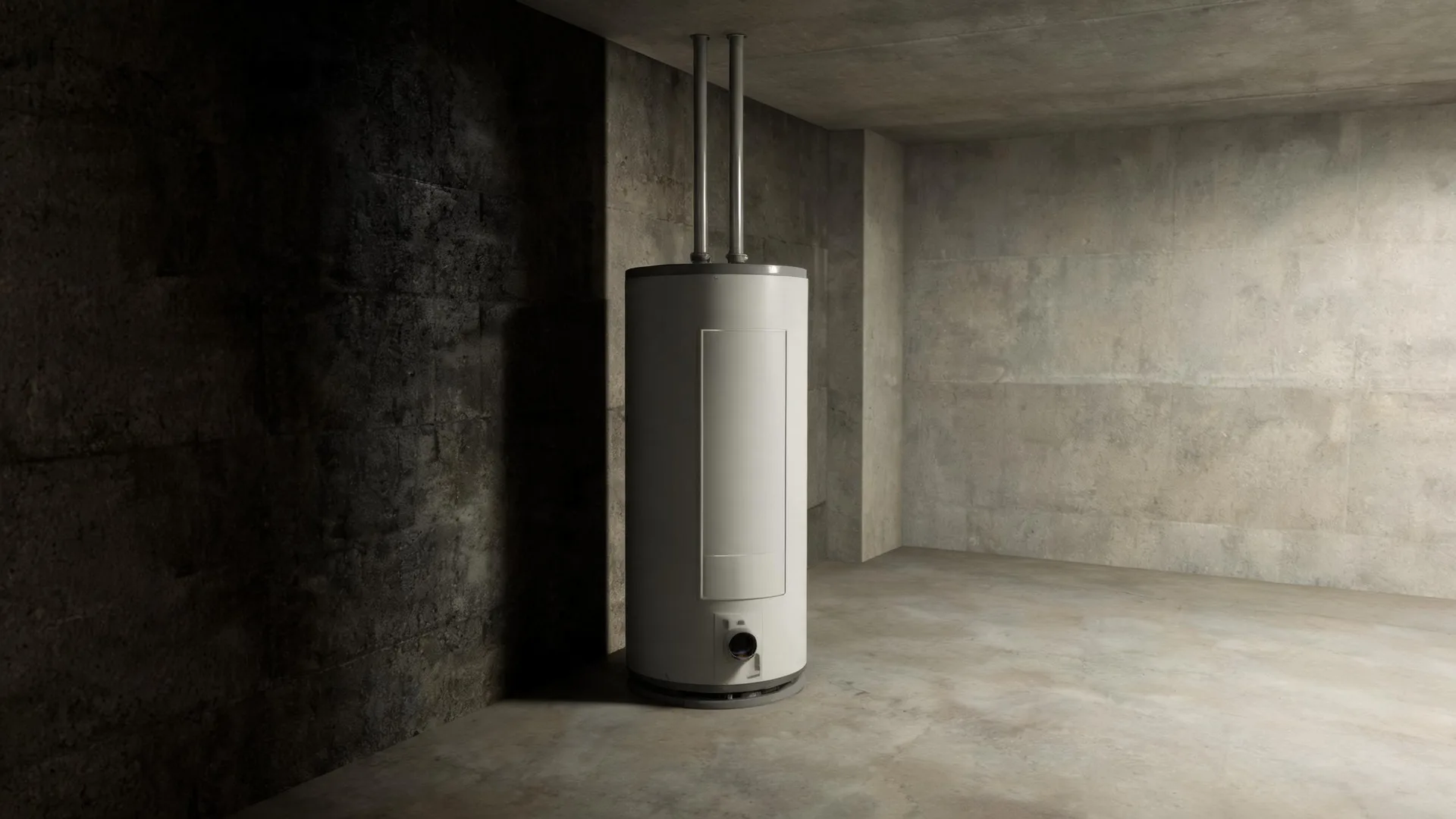
The tank is the piece a homeowner notices first, sitting in a utility space, basement, or closet and holding the water that gets heated for the whole house. The burner assembly or heating element sits at the base or inside the tank and is where heat actually gets produced. When a water heater stops performing, those two are where a contractor looks first.
The thermostat controls the target temperature and tells the heating element or burner when to fire. The pressure relief valve mounts on the side of the tank and holds the system to a safe pressure. The anode rod hangs inside the tank and slows corrosion of the metal walls.
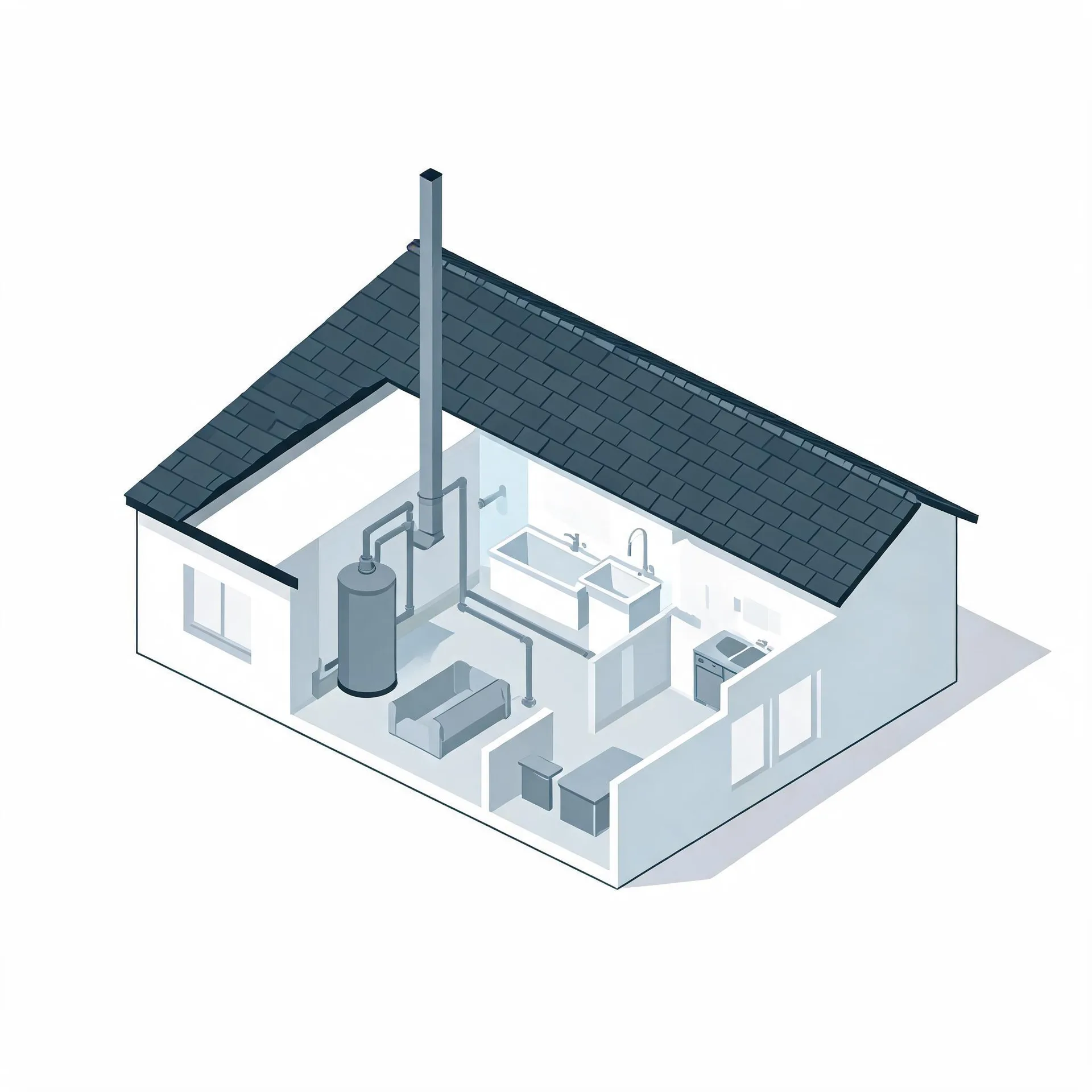
The drawing shows the general layout of a water heater system, and a licensed contractor determines which parts apply and what condition they are in for any specific house.
Find a contractor in Columbiana CountyColumbiana County, by the numbers
157 severe weather events were recorded in Columbiana County, Ohio between 2015 and 2024.
NOAA National Centers for Environmental Information, Storm Events Database, bulk CSV export, events 2015-01-01 through 2024-12-31.Half the homes in Columbiana County, Ohio were built in 1964 or earlier (2020-2024 ACS 5-year).
U.S. Census Bureau, 2020-2024 American Community Survey 5-Year EstimatesColumbiana County, Ohio holds 46,121 housing units (2020-2024 ACS 5-year).
U.S. Census Bureau, 2020-2024 American Community Survey 5-Year EstimatesOwners occupy 72.7% of the occupied homes in Columbiana County, Ohio (2020-2024 ACS 5-year).
U.S. Census Bureau, 2020-2024 American Community Survey 5-Year EstimatesSevere Weather Events in Columbiana County
Columbiana County weather puts real stress on water heaters: temperature swings, power disruptions, and demand spikes all push equipment harder than steady conditions do. How often that stress arrives is a local fact, and it shapes how much repair work the equipment in this area actually sees.
157 severe weather events, 2015–2024. Source: NOAA National Centers for Environmental Information, Storm Events Database.